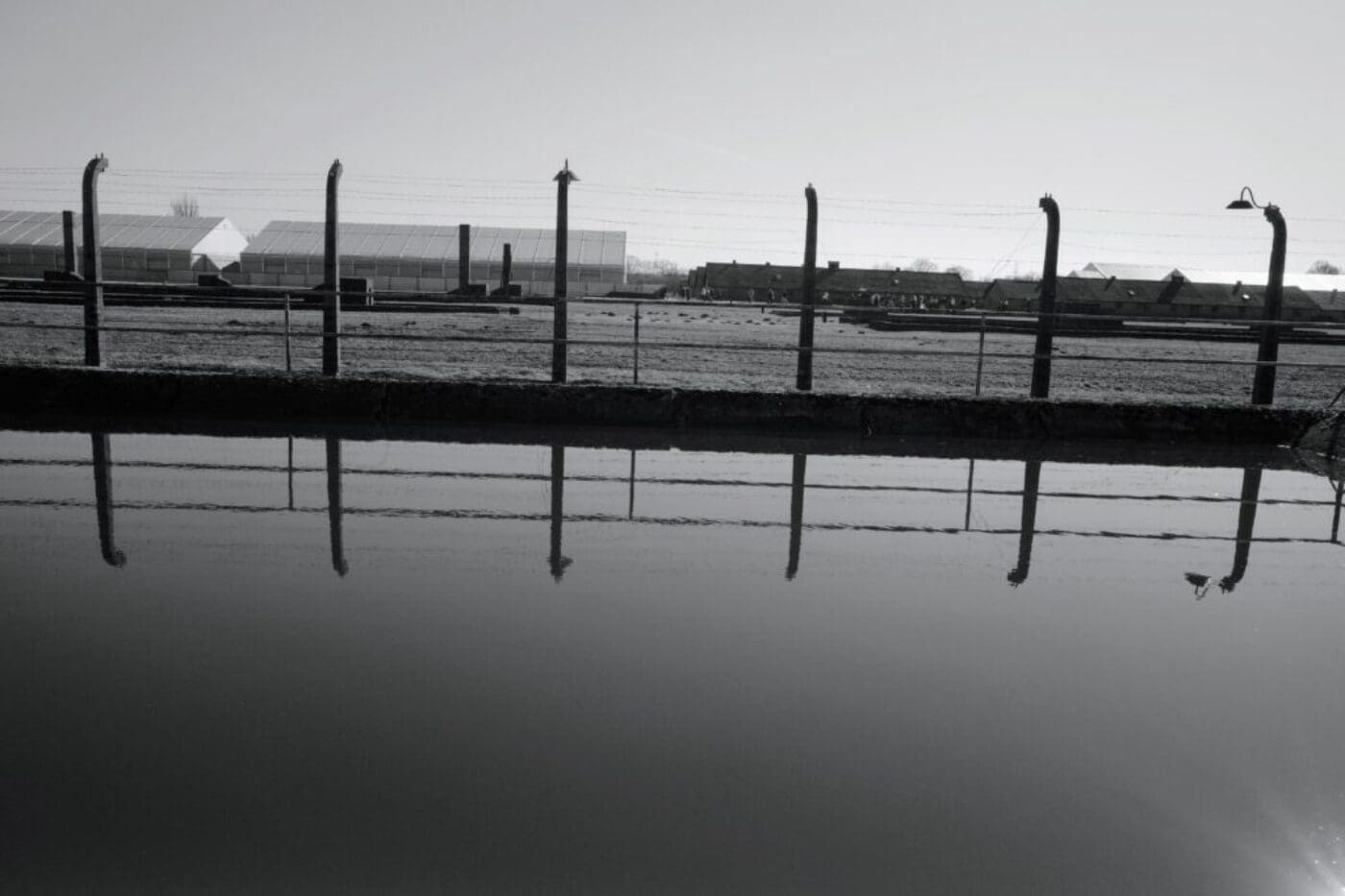
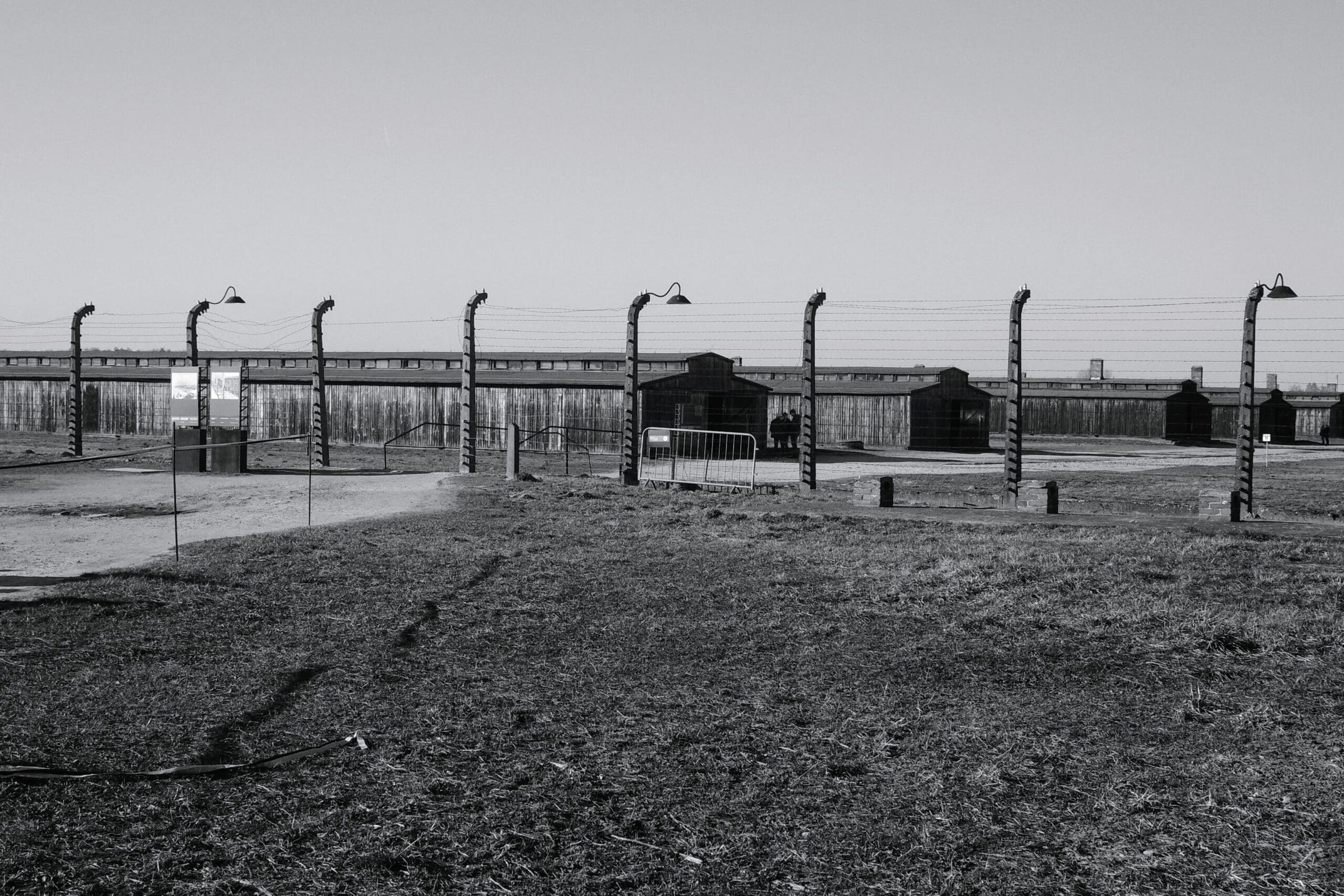
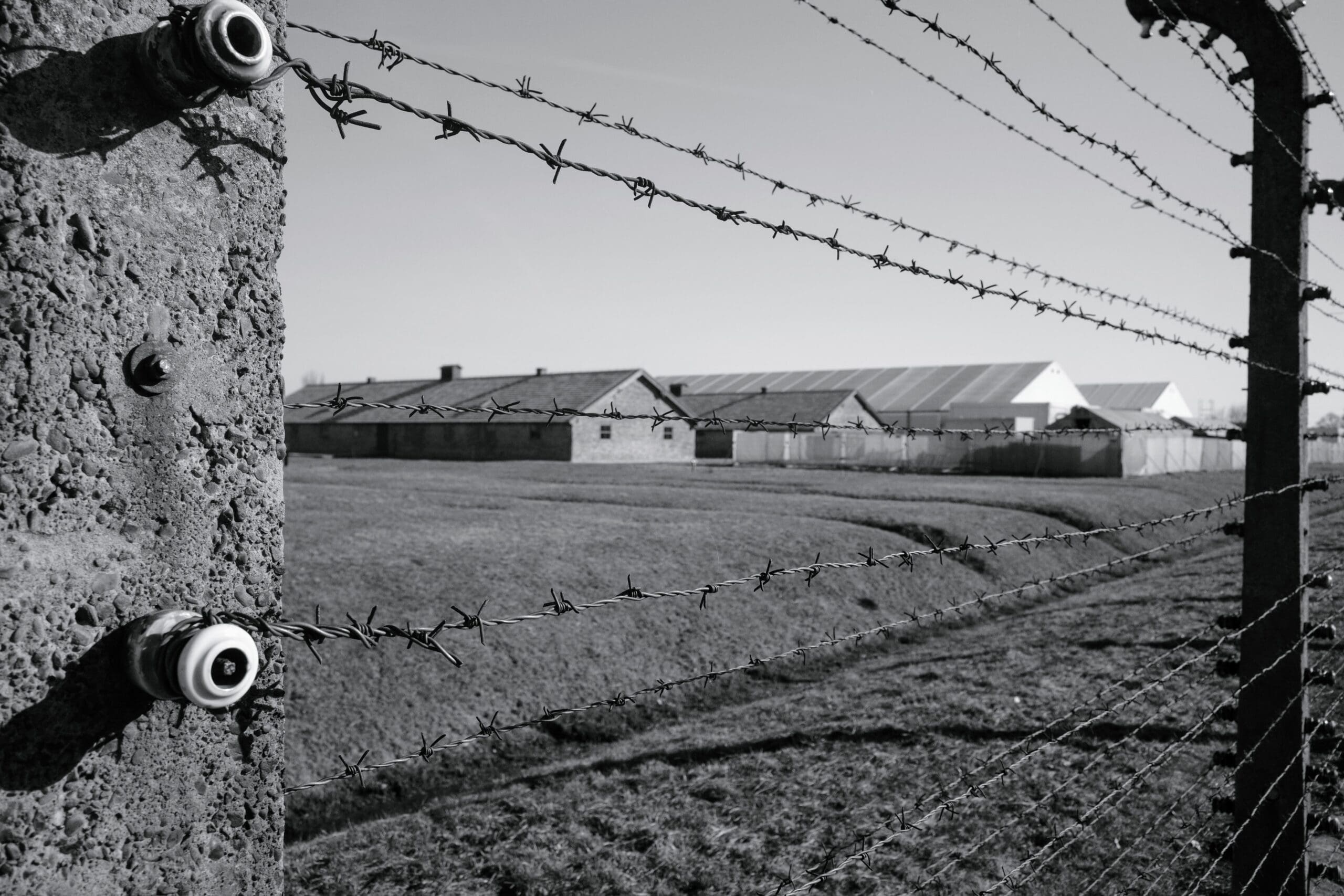
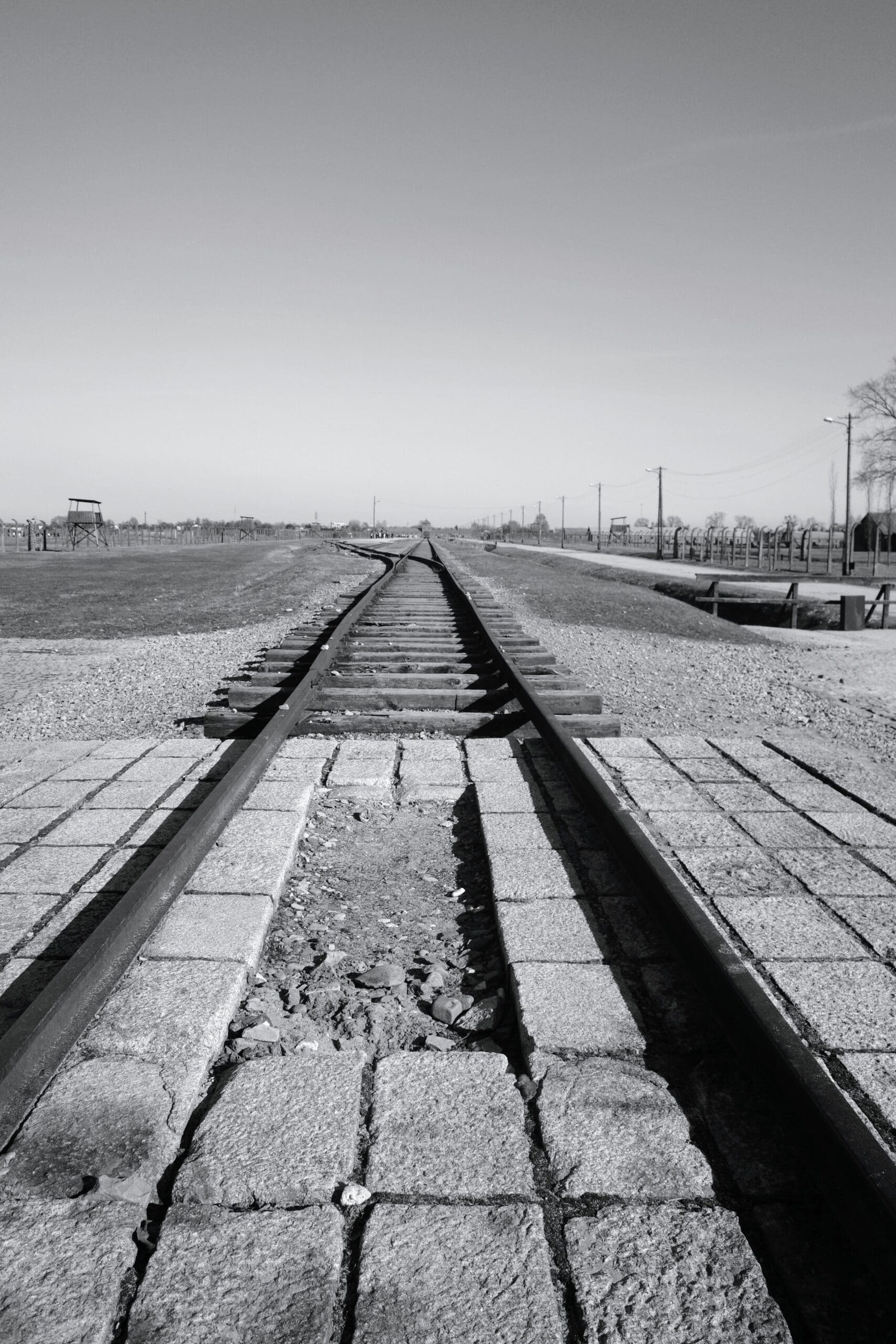
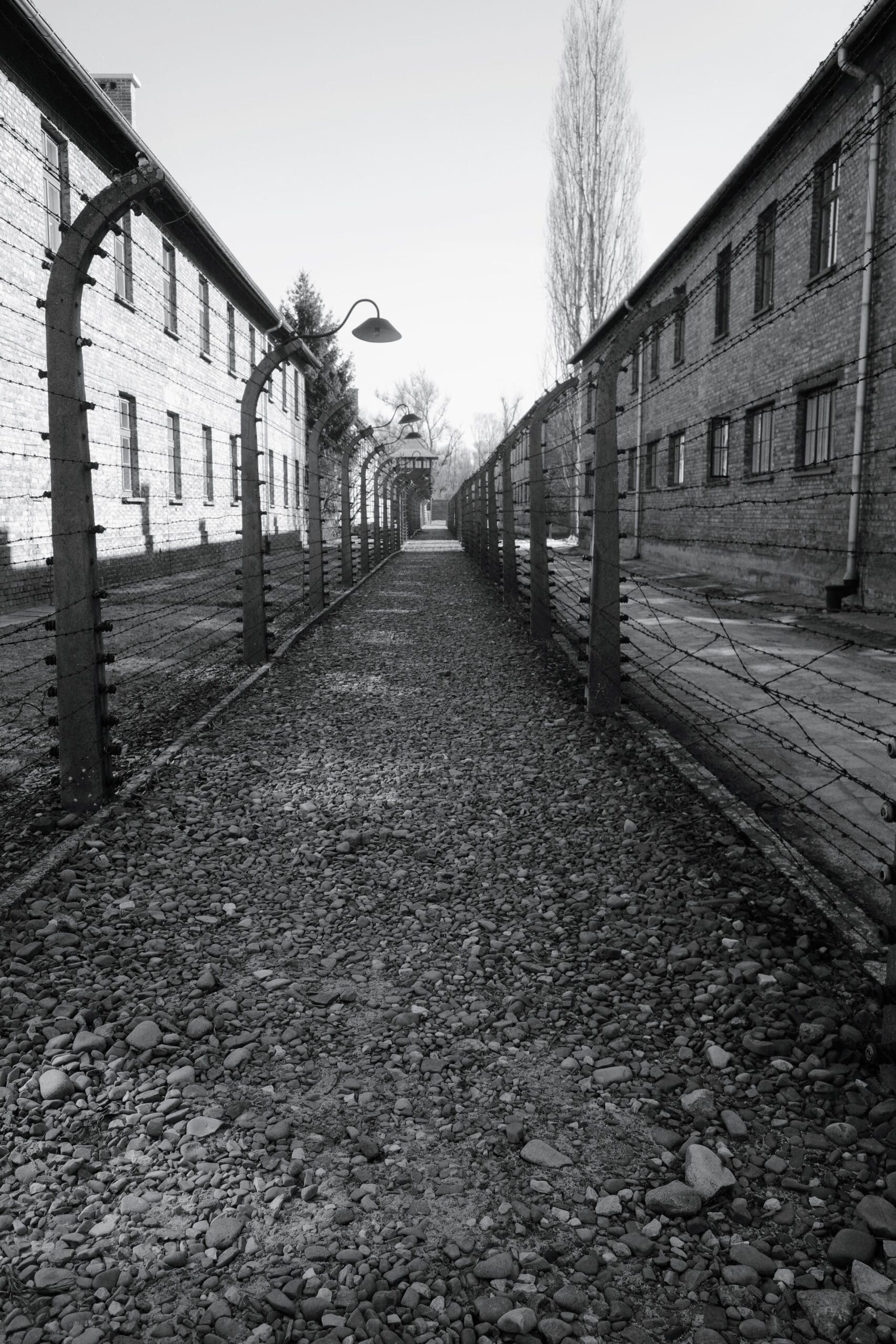
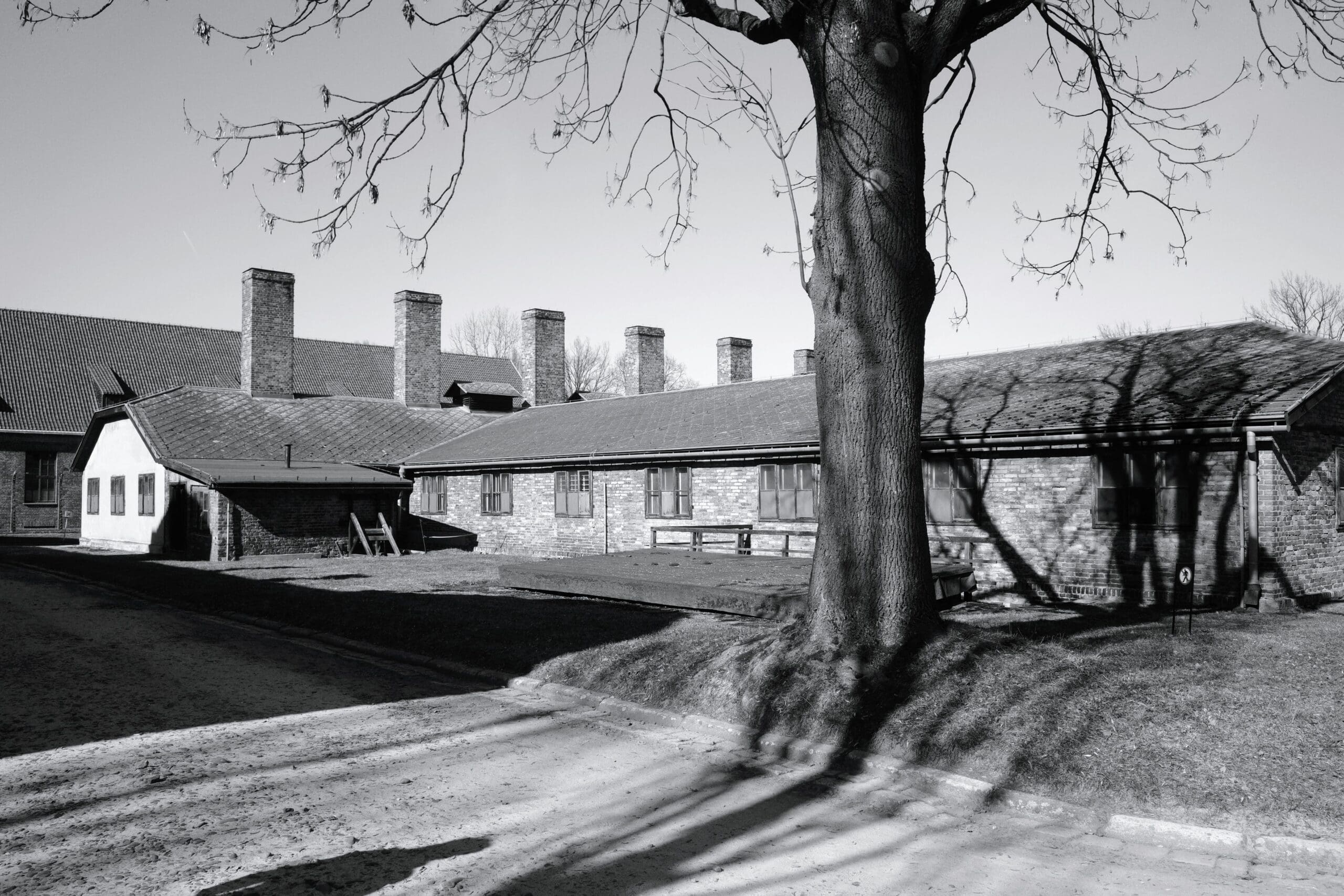
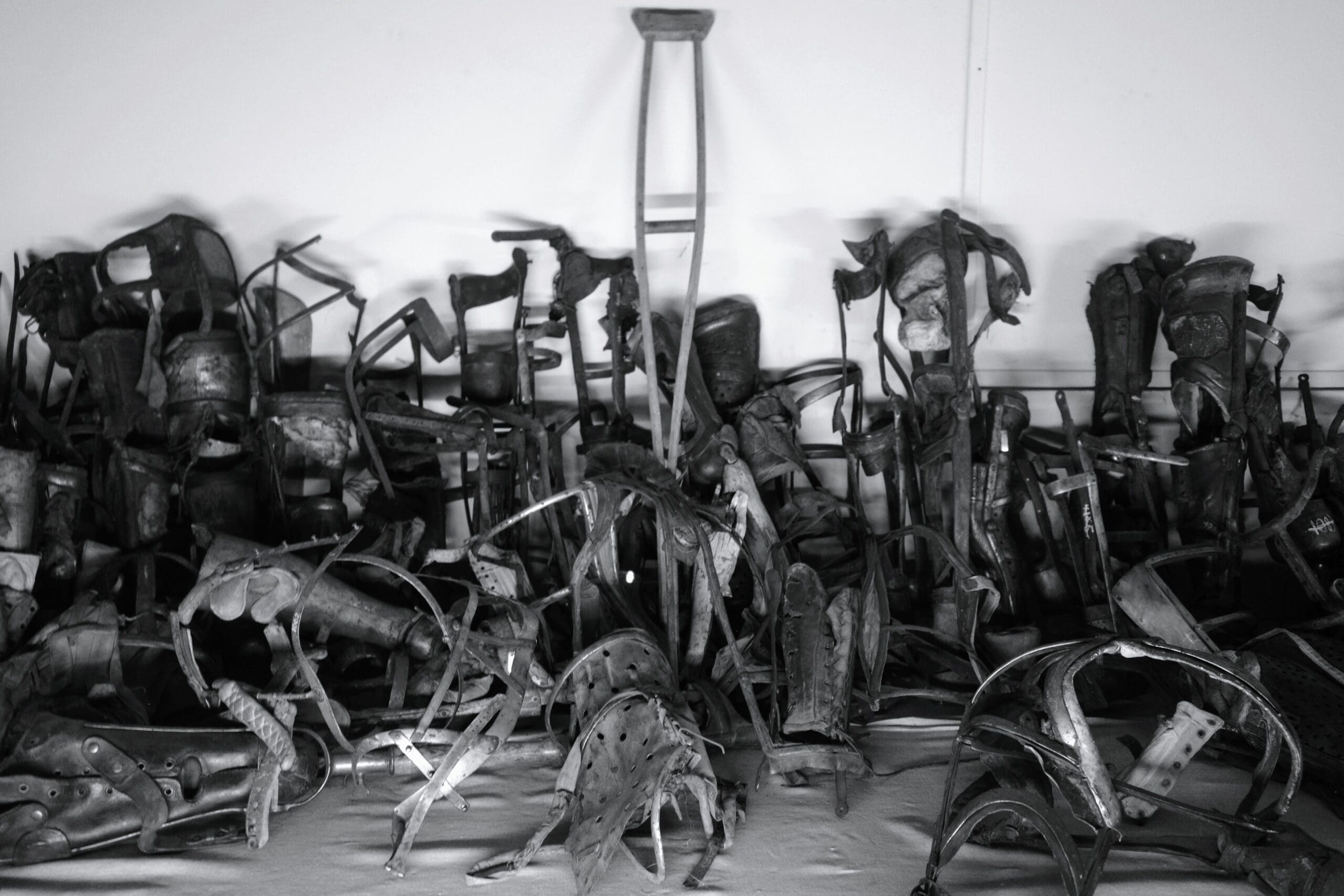
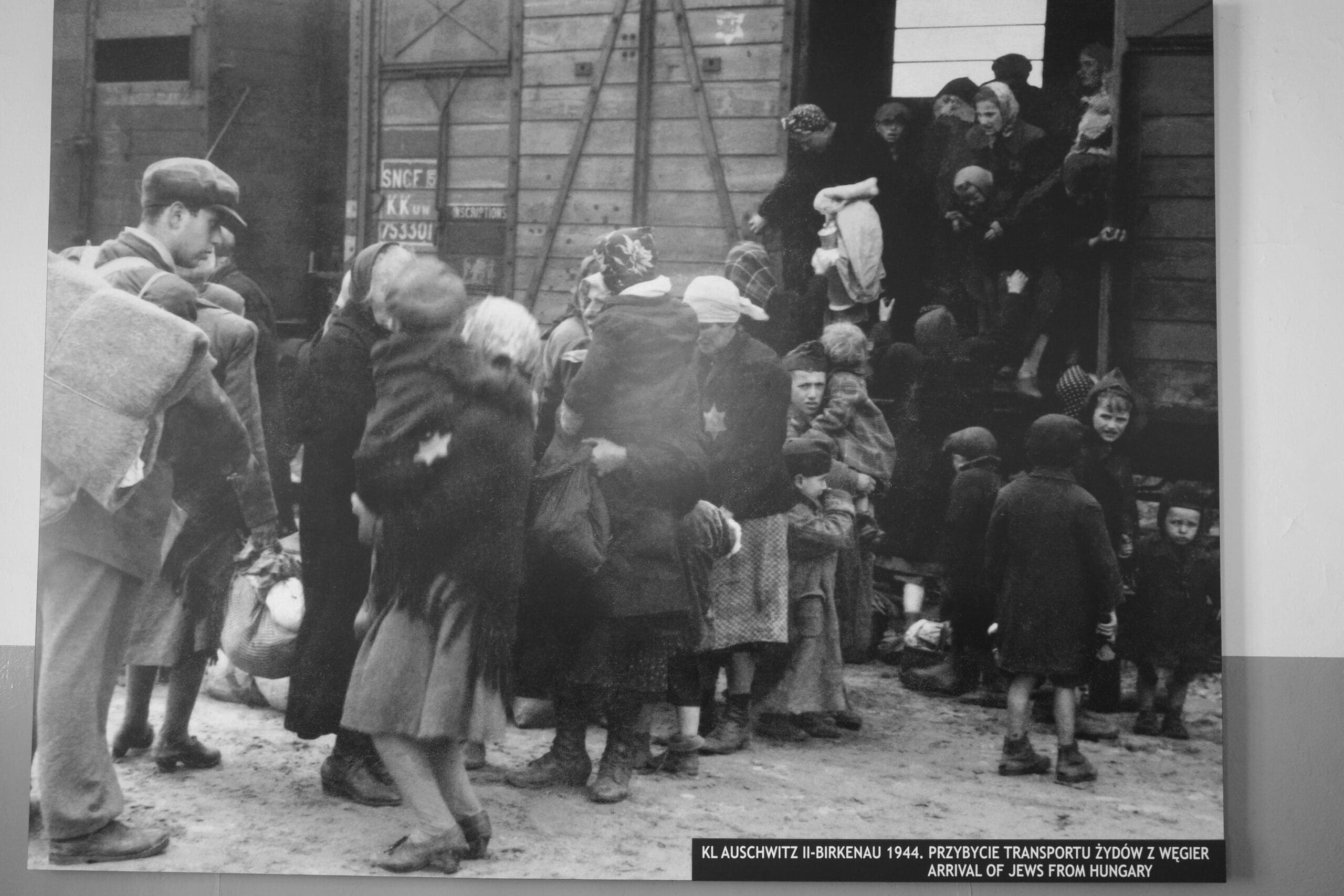
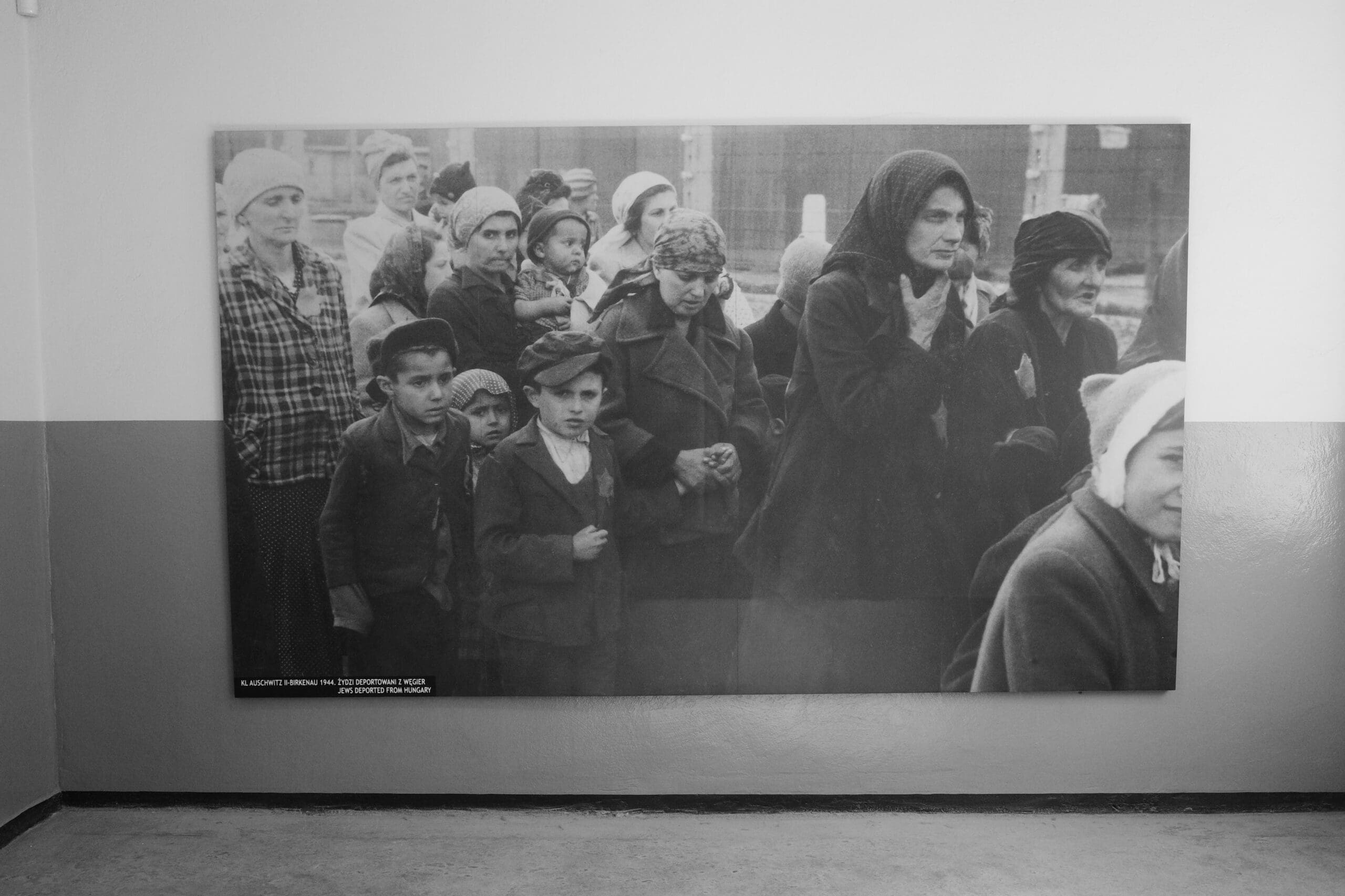
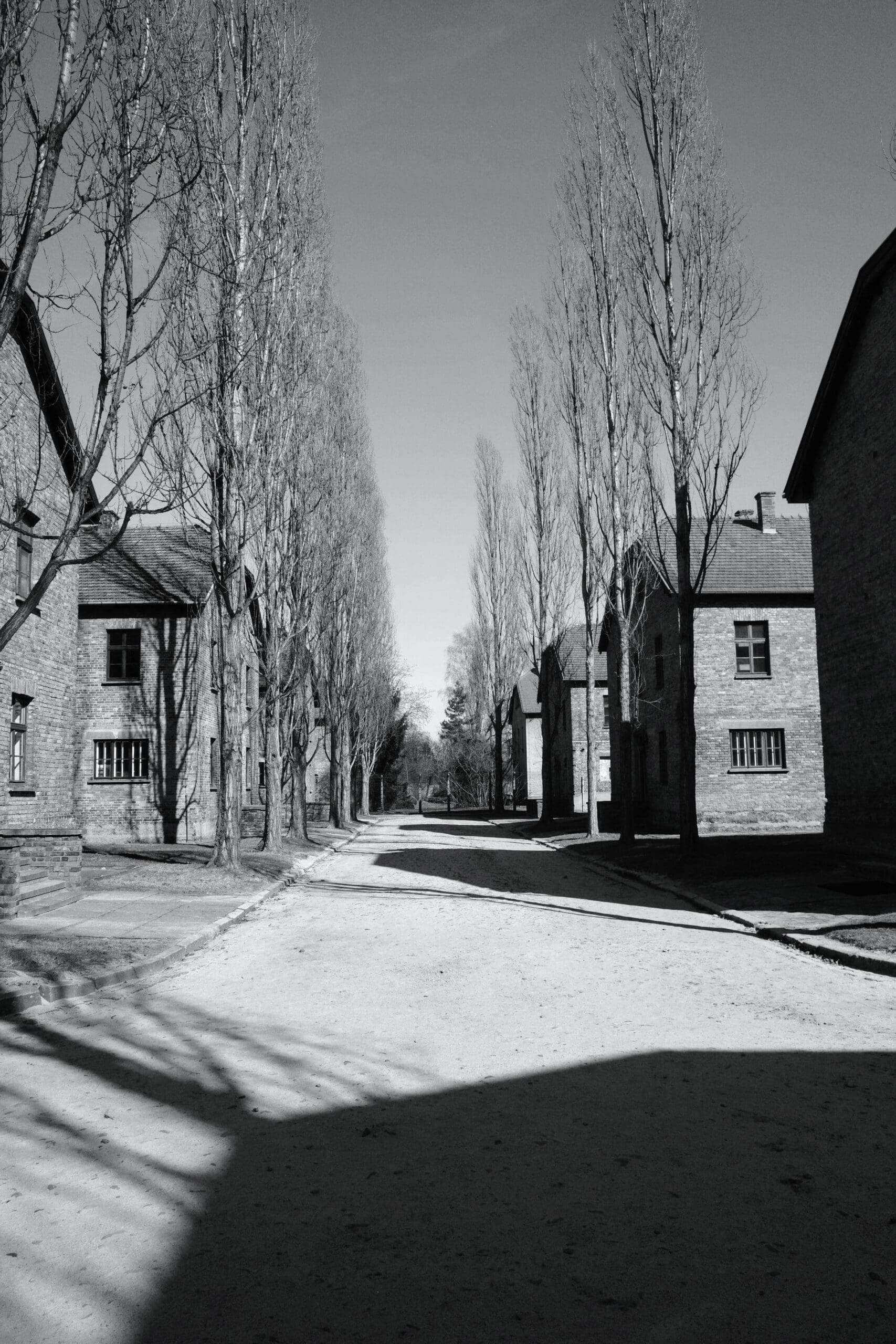
“The scale is massive,” the British woman next to me on our shuttle bus said as we pulled into the Birkenau camp. This was the second part of our nearly four-hour tour of Auschwitz. From the window of the bus, it did seem as if the camp went on forever.
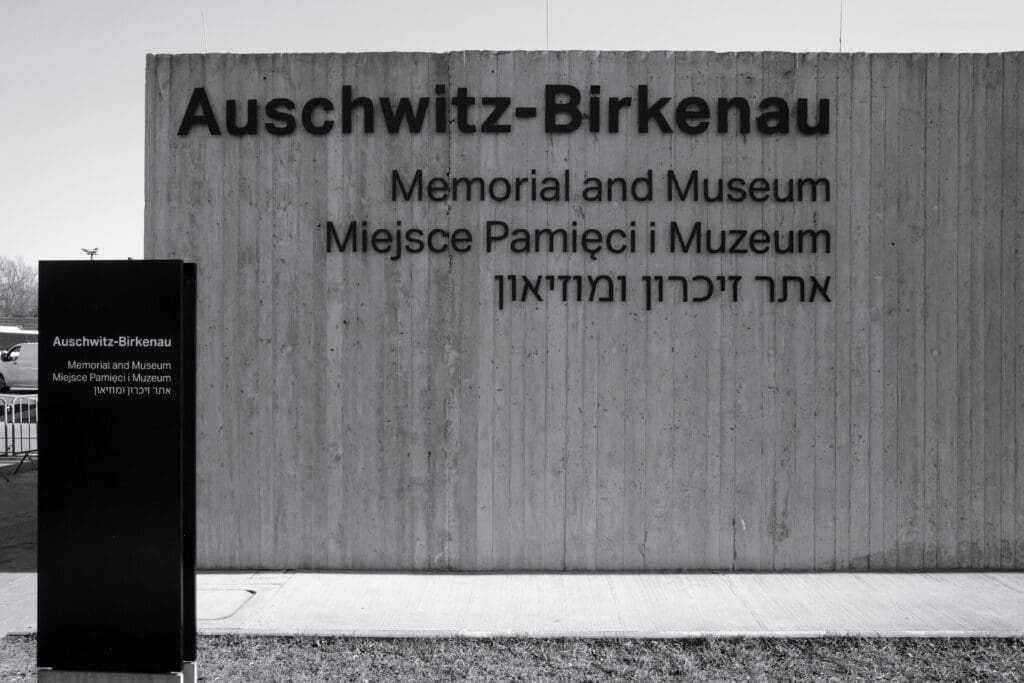
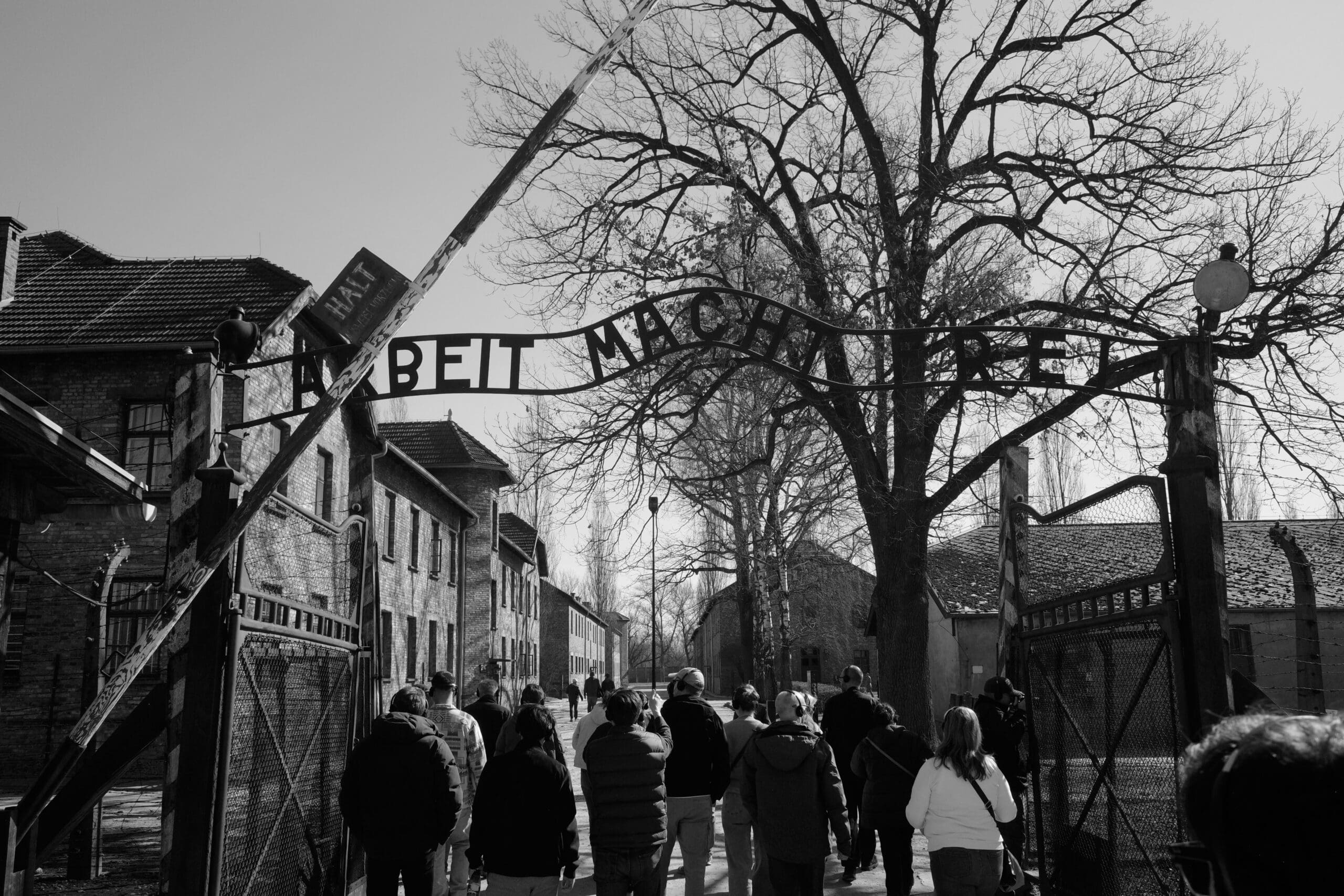
Other than the five-minute ride from one site to the other, there had been no conversation during our tour. Our group of thirty, each of us wearing headphones, silently listened to the expert guide as she spoke of horrors that we all knew of, but yet still seem unfathomable. Wearing the headphones made it feel as if we were each being guided individually, on a personal journey of coming to grips with ideologies of hatred in the world and what our response has been or will be.
Because if there is one thing the past teaches us, it’s that regimes built on hatred still exist and future tour groups will learn of the inhumane acts that are occurring under our watch.
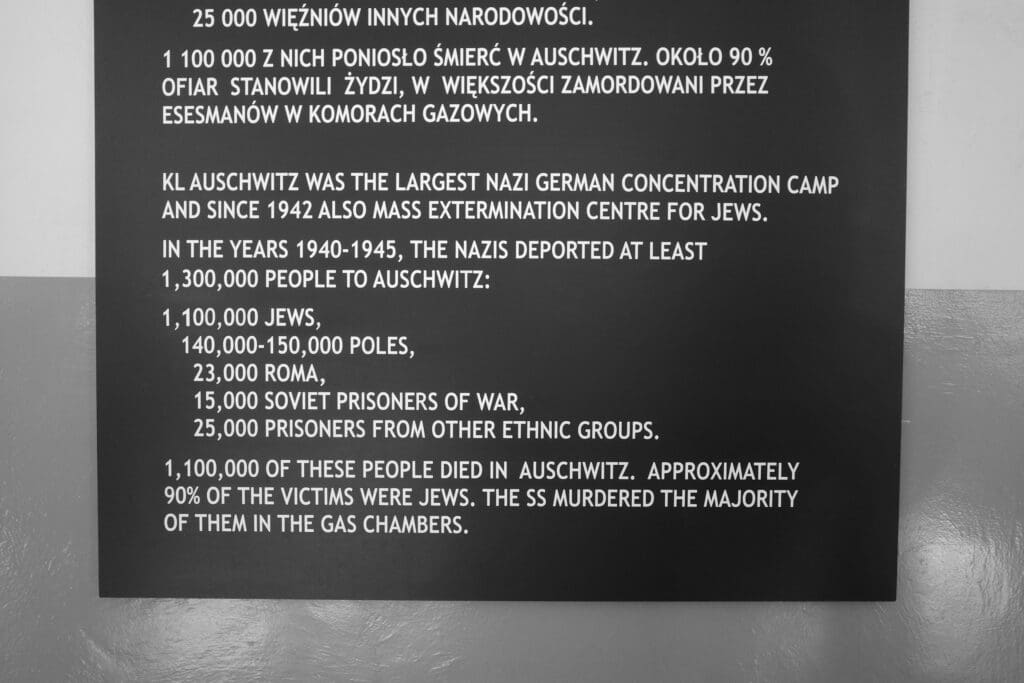
As we continued walking through the camp, I was frequently reminded of visits to other sites of genocide – the Dachau concentration camp near Munich, Sachsenhausen outside of Berlin, the Killing Fields of Cambodia, Vinh Moc tunnels in Vietnam. I also recalled traveling to places where I learned about the Japanese “internment” (concentration) camps in the US, the legacies of the “Secret War” in Laos and the Korean War. At each location, there is a consistent message – learn from this history so we do not repeat it. We’re still learning.
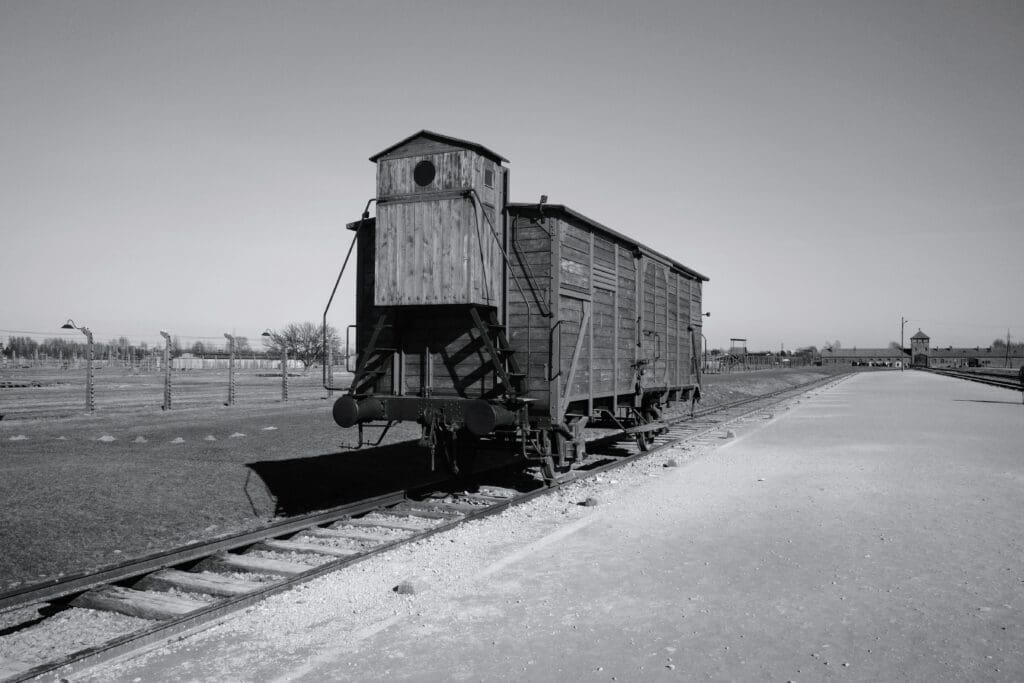
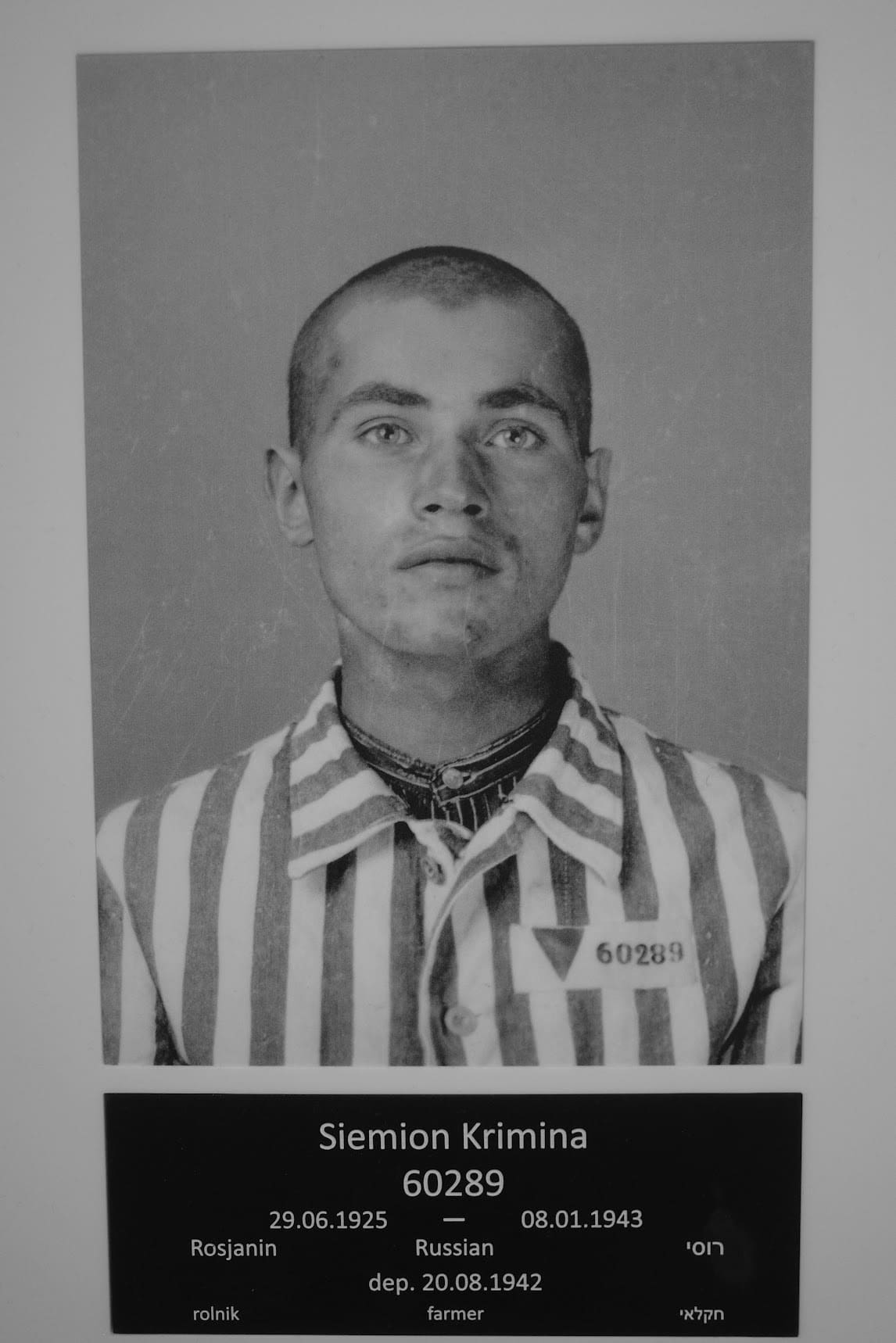
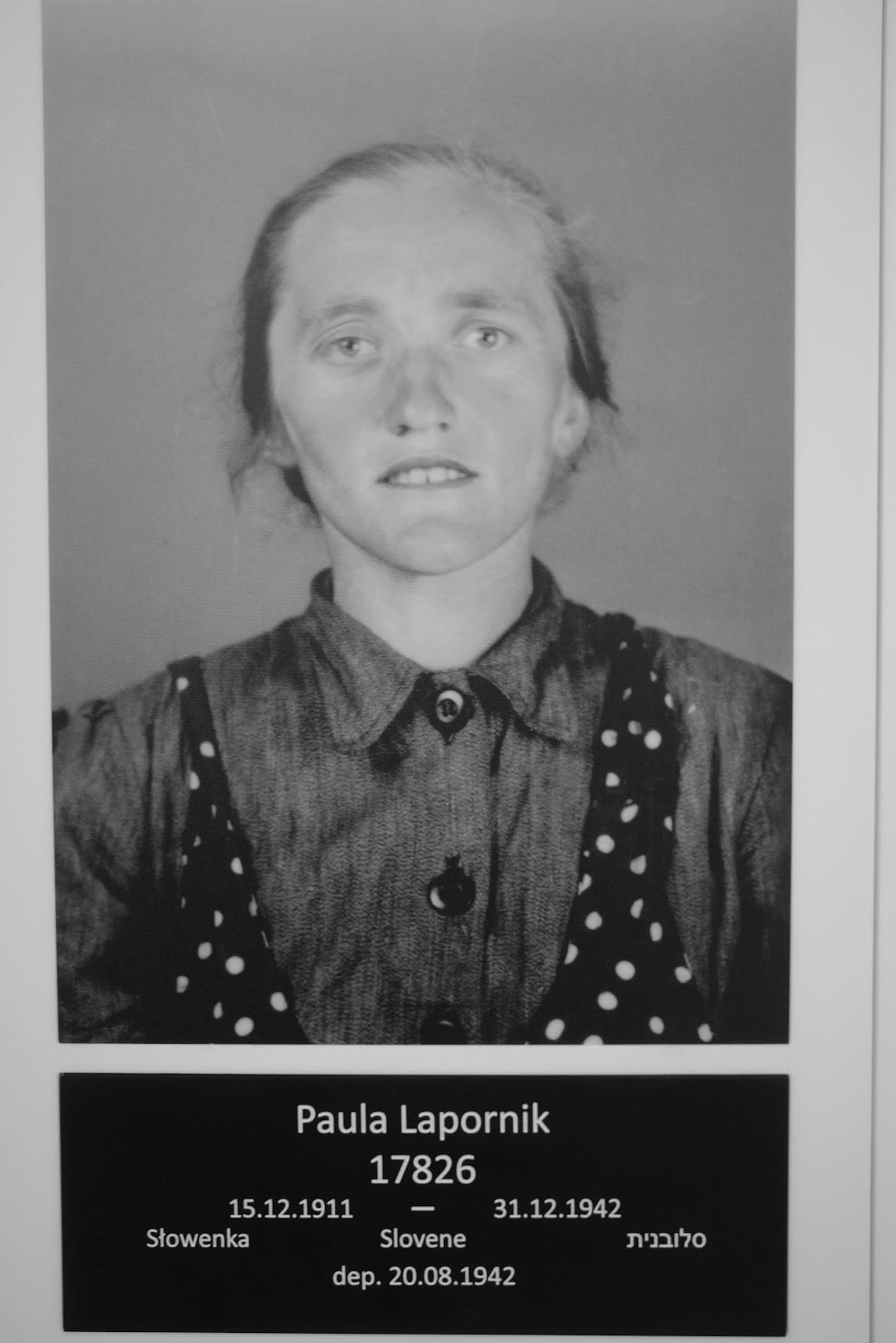
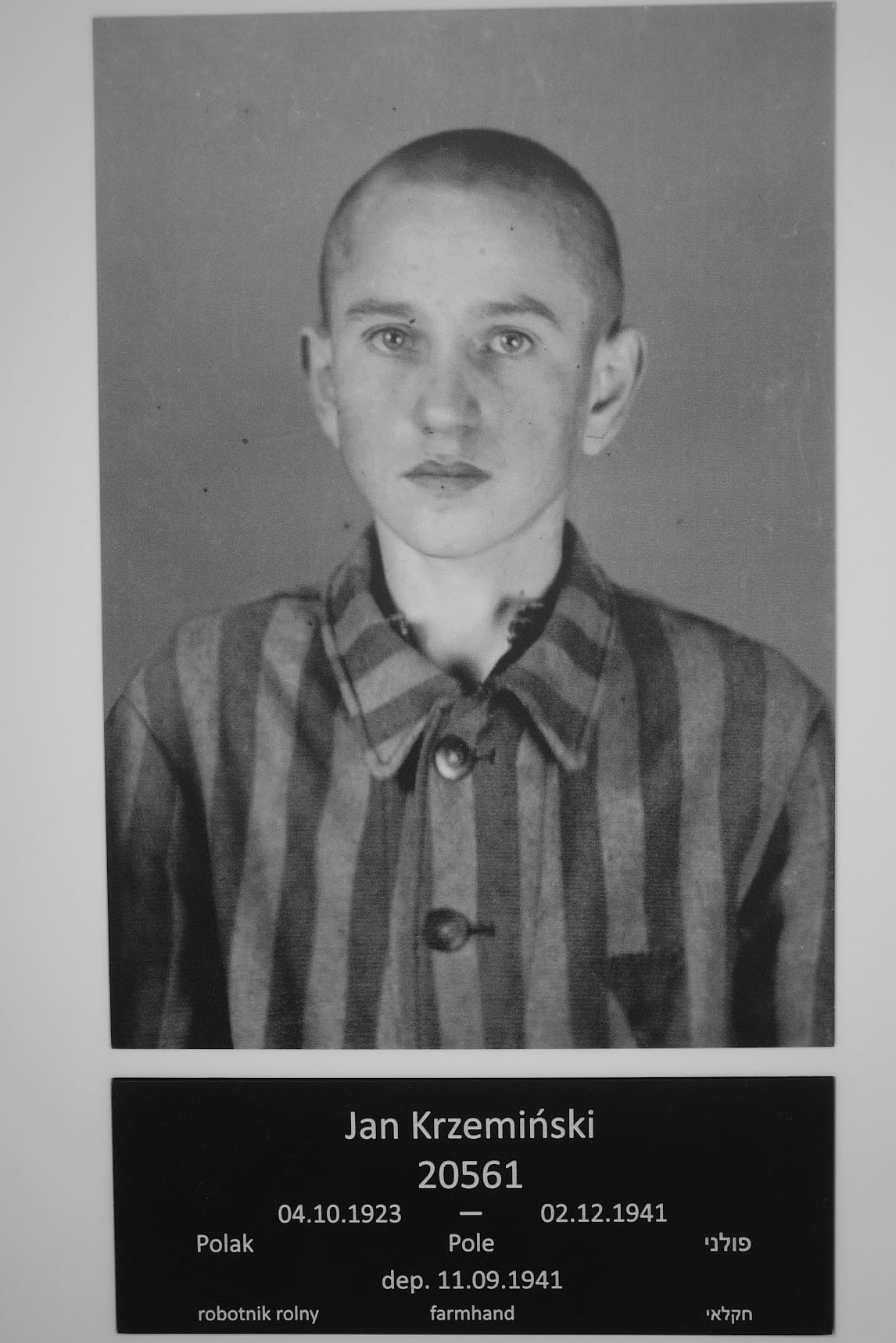
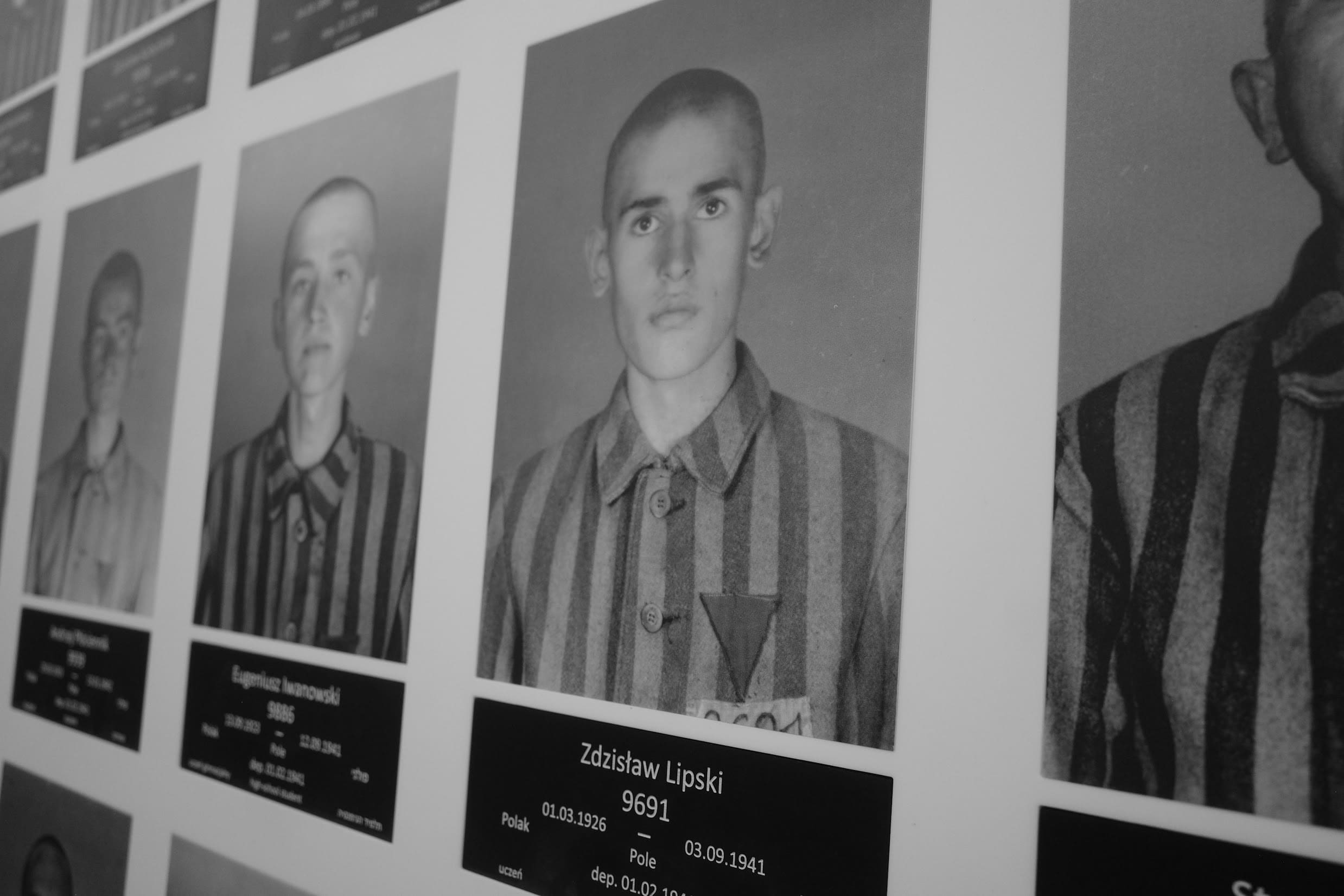
Another common theme is the bravery of those who fought against their oppressors. Each individual has a story of how they resisted. A prisoner from one of the “privileged” groups that tried to help others rather than use their power to support the system. Father Maximilian Kolbe who gave his life so that a man with a family could live. Millions of anonymous people whose stories died with them but who faced their murderers with dignity.
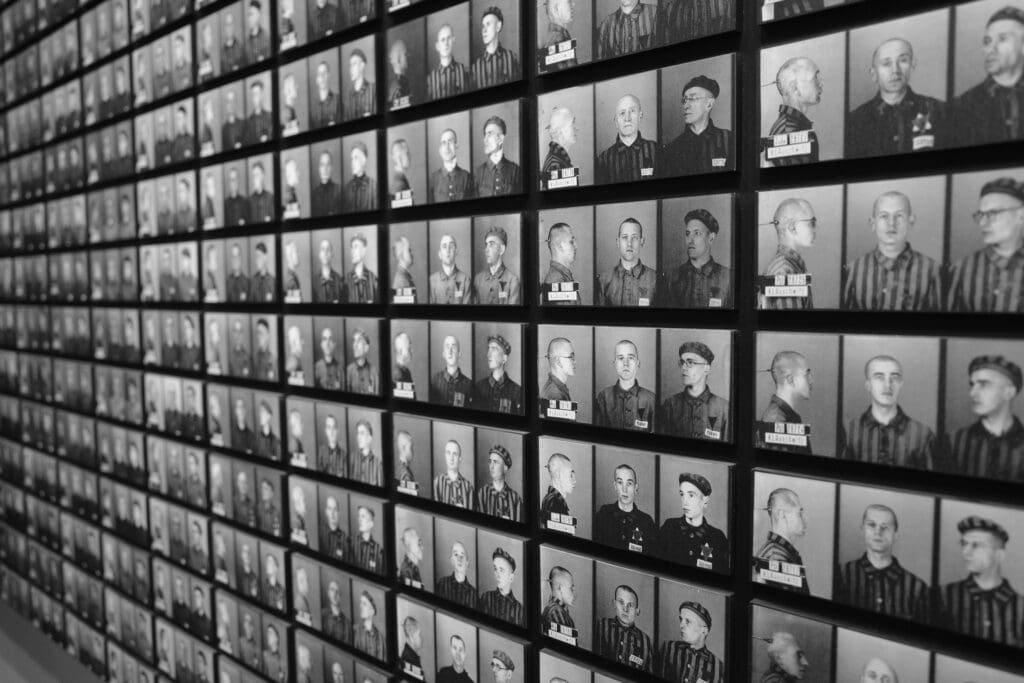
The Auschwitz-Birkenau Memorial and Museum provides online materials to prepare visitors for their experience. One of the videos features Marian Turski, a survivor of Auschwitz. He speaks of the 11th Commandment: “Thou shalt not be indifferent.” If we remain indifferent, he warns, another Auschwitz will “fall from the sky” and our descendants will wonder how such unfathomable acts could have happened.
Reflecting on the past helps me to better understand the threats to peace and justice today, and inspires me to not be indifferent. Westerly ARC is a great source of ideas and information for taking action for justice and equity, and there are many organizations like it in communities across the country. Find yours and get involved!
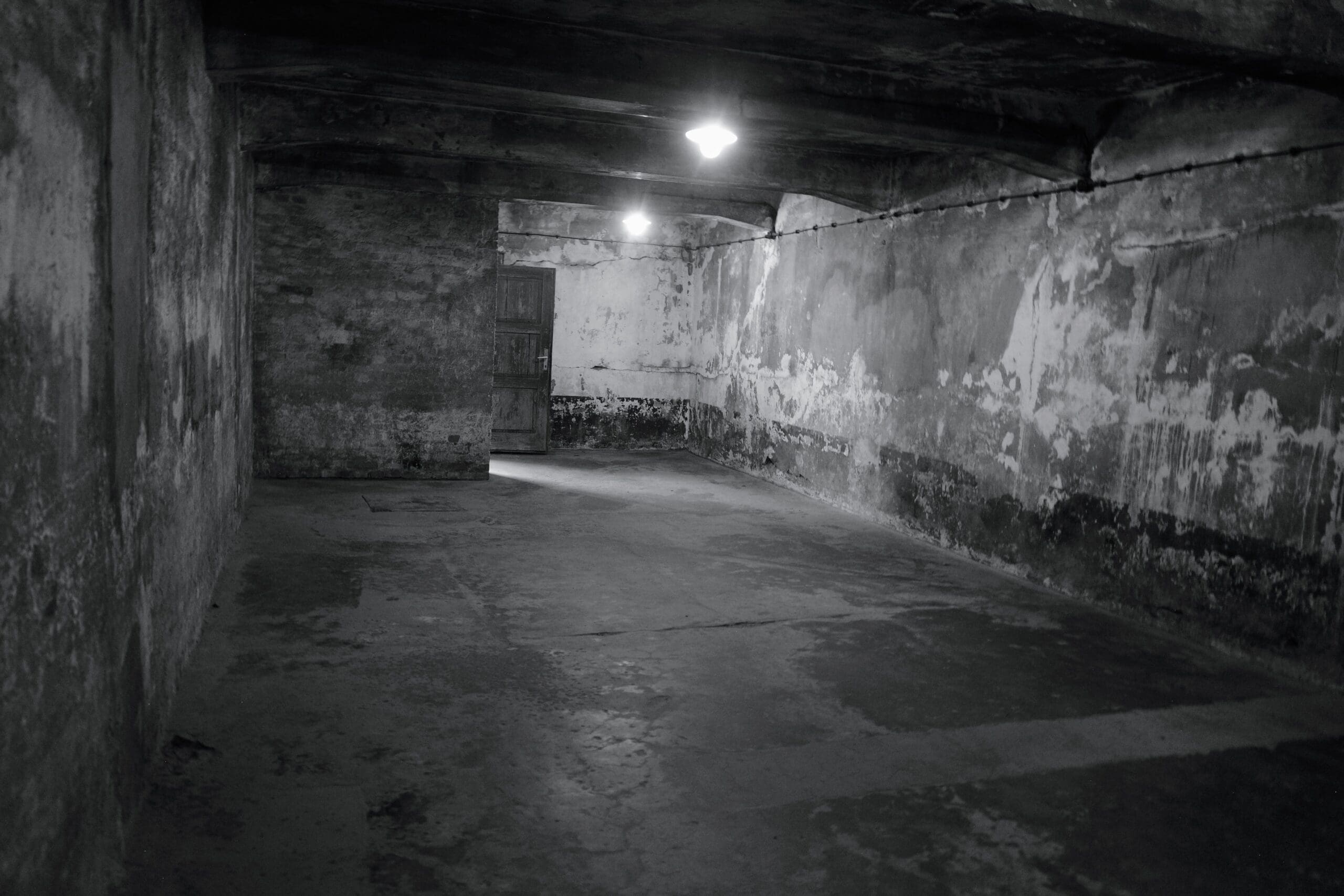
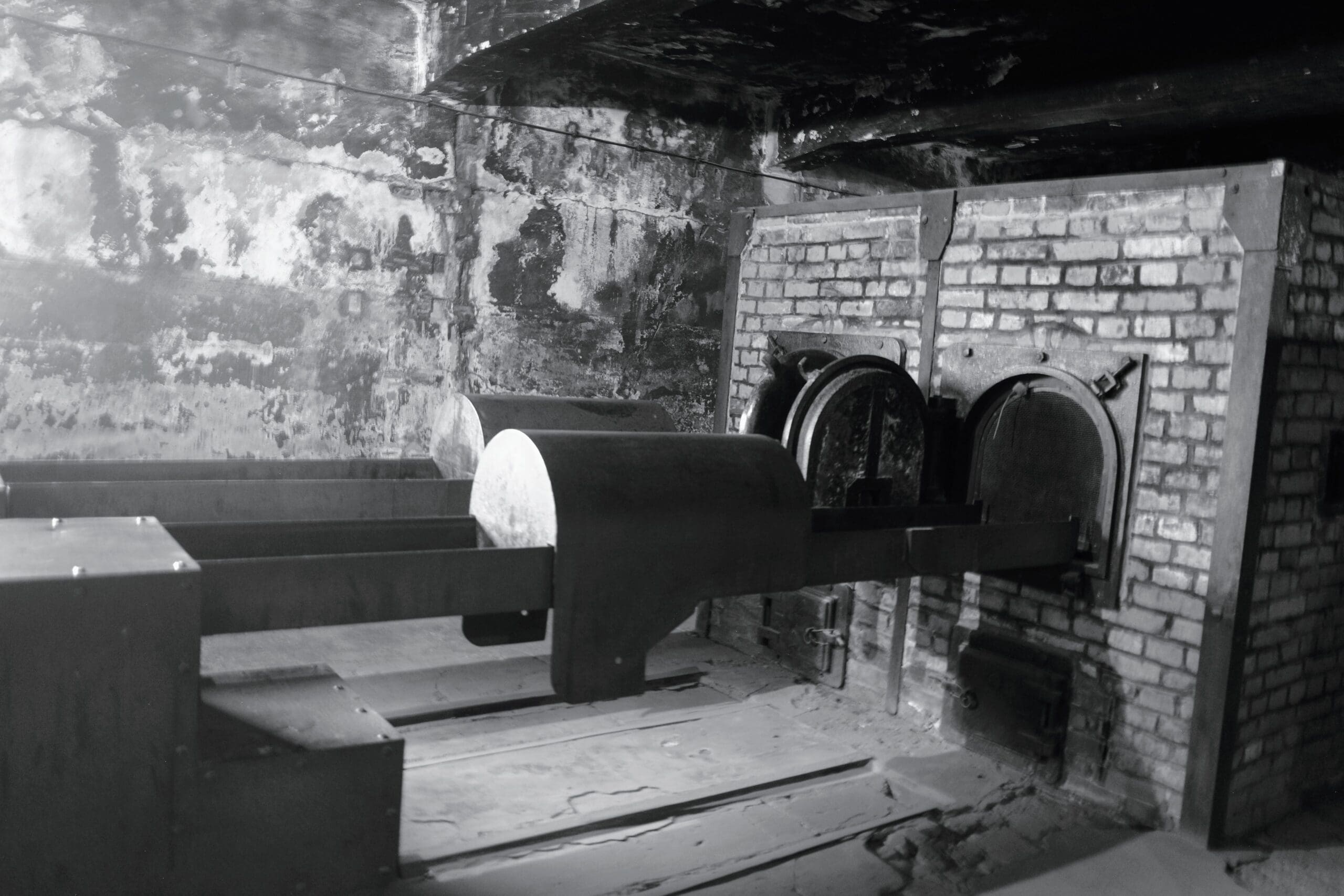
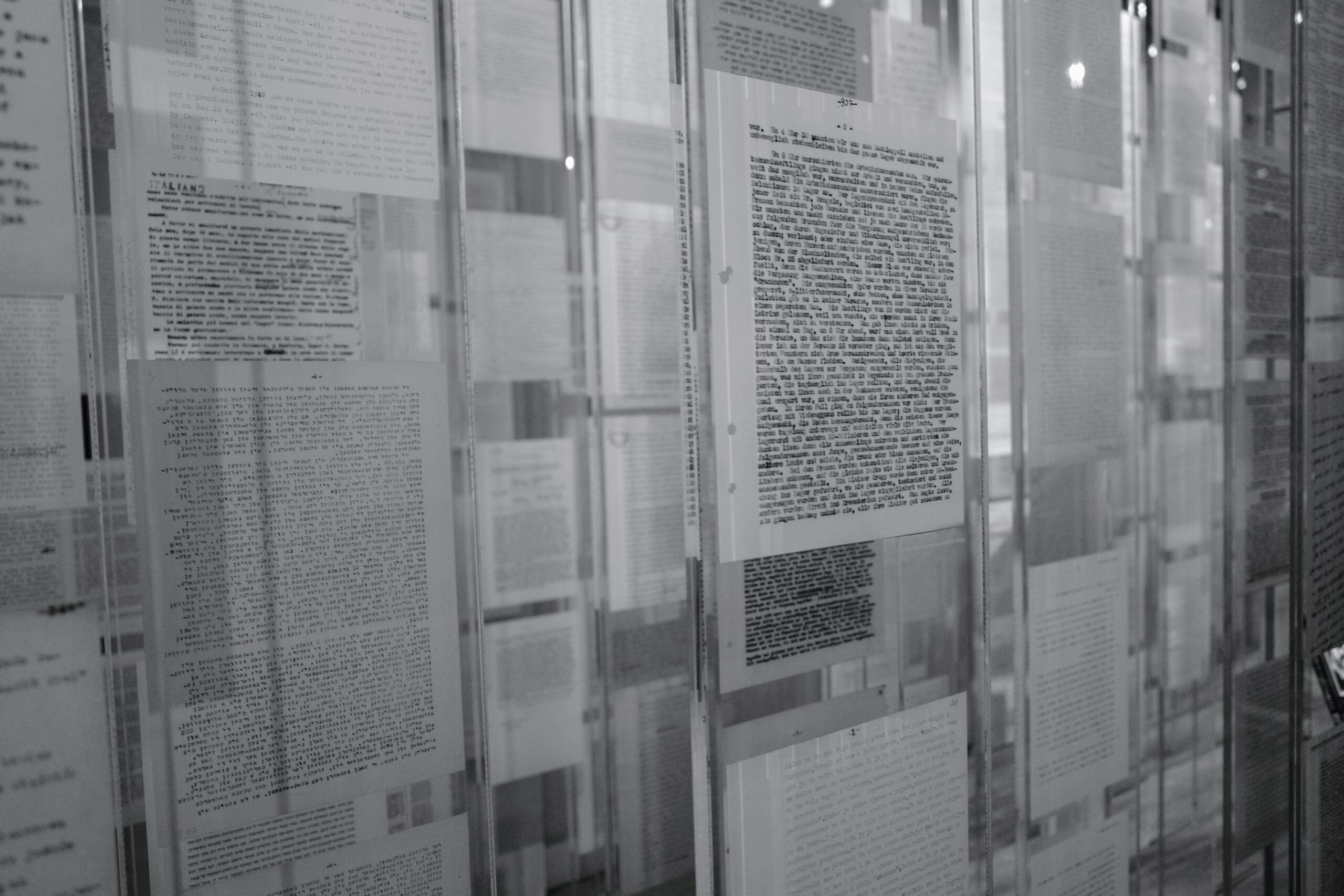
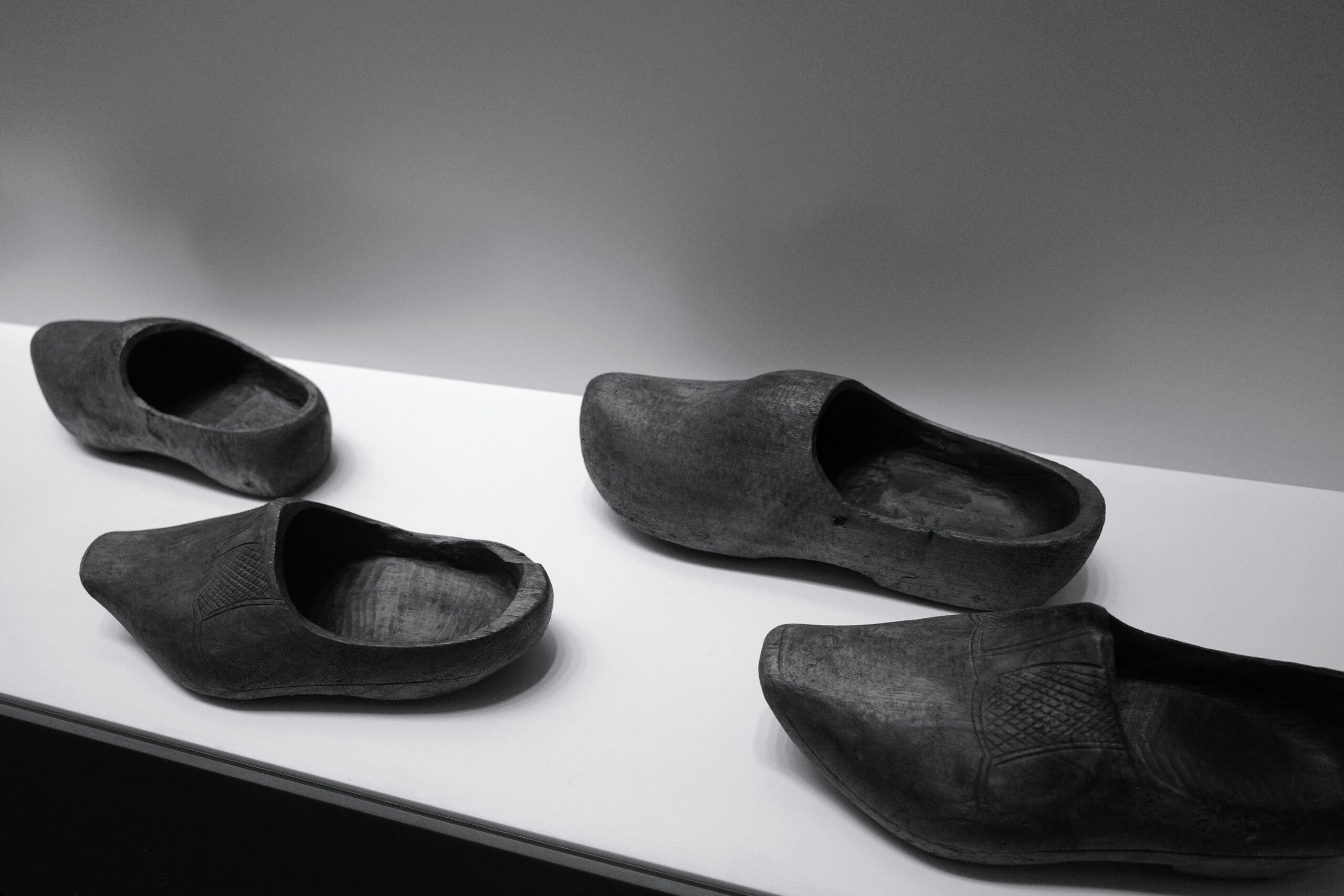
Click on the first image to open the album.
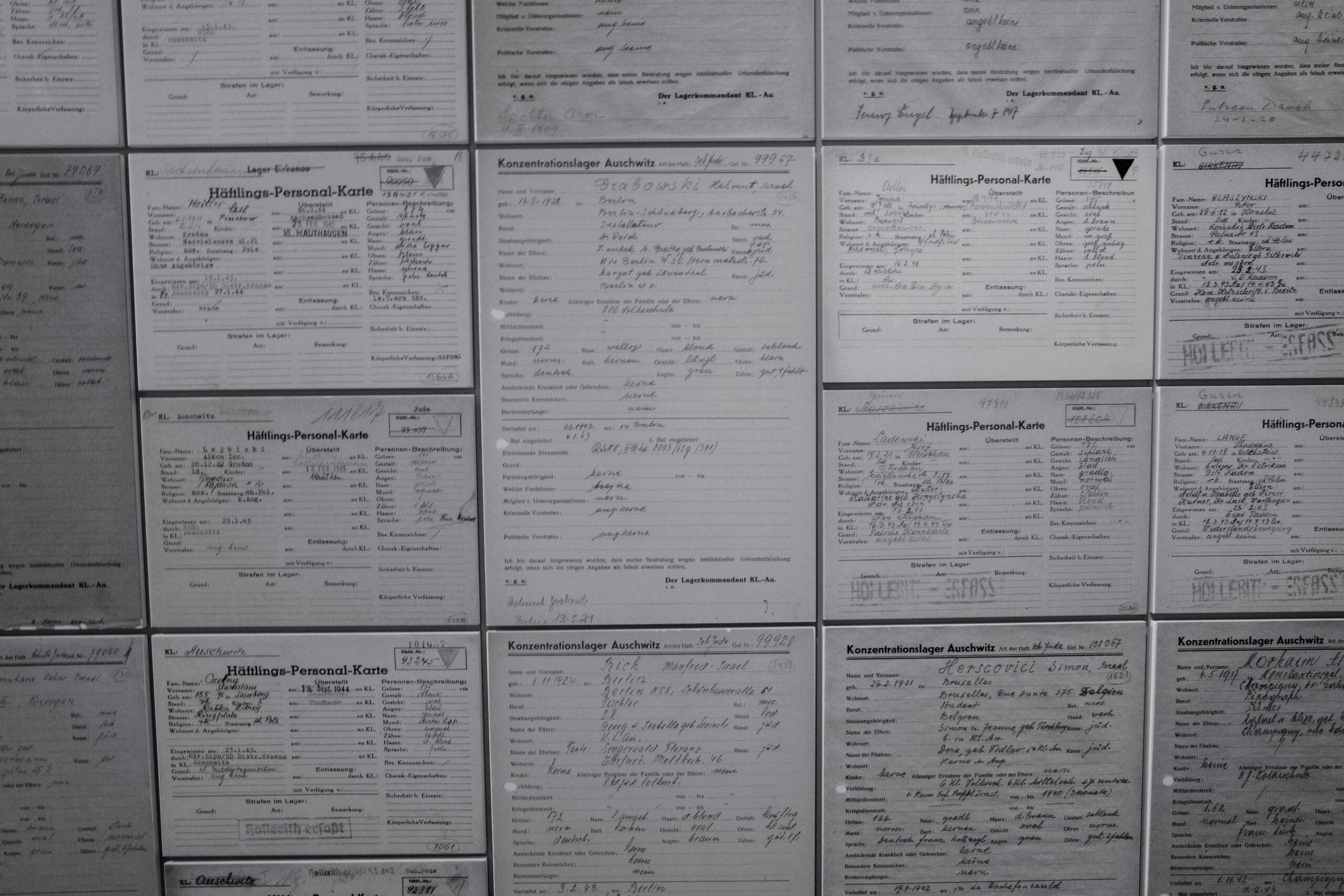
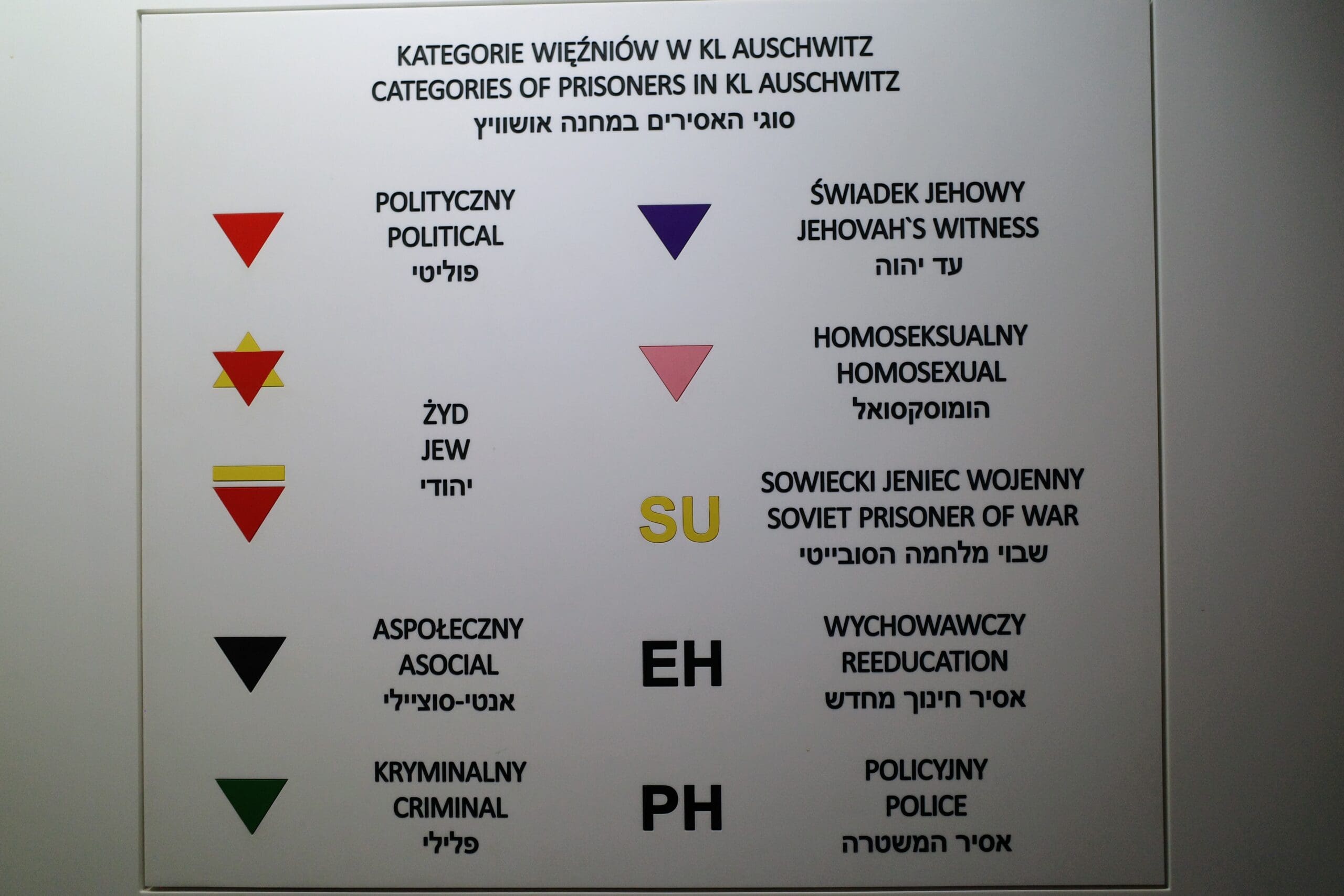
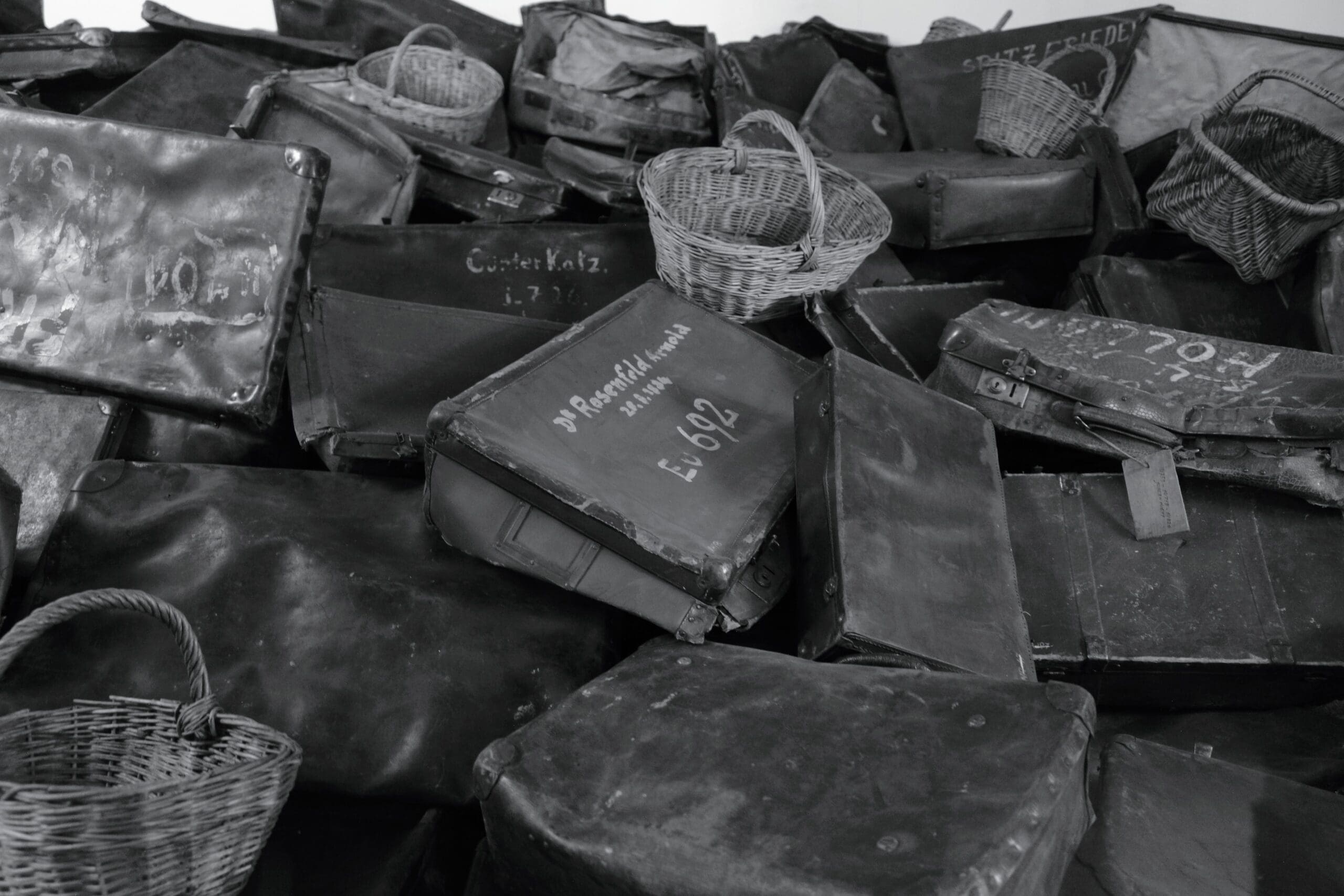
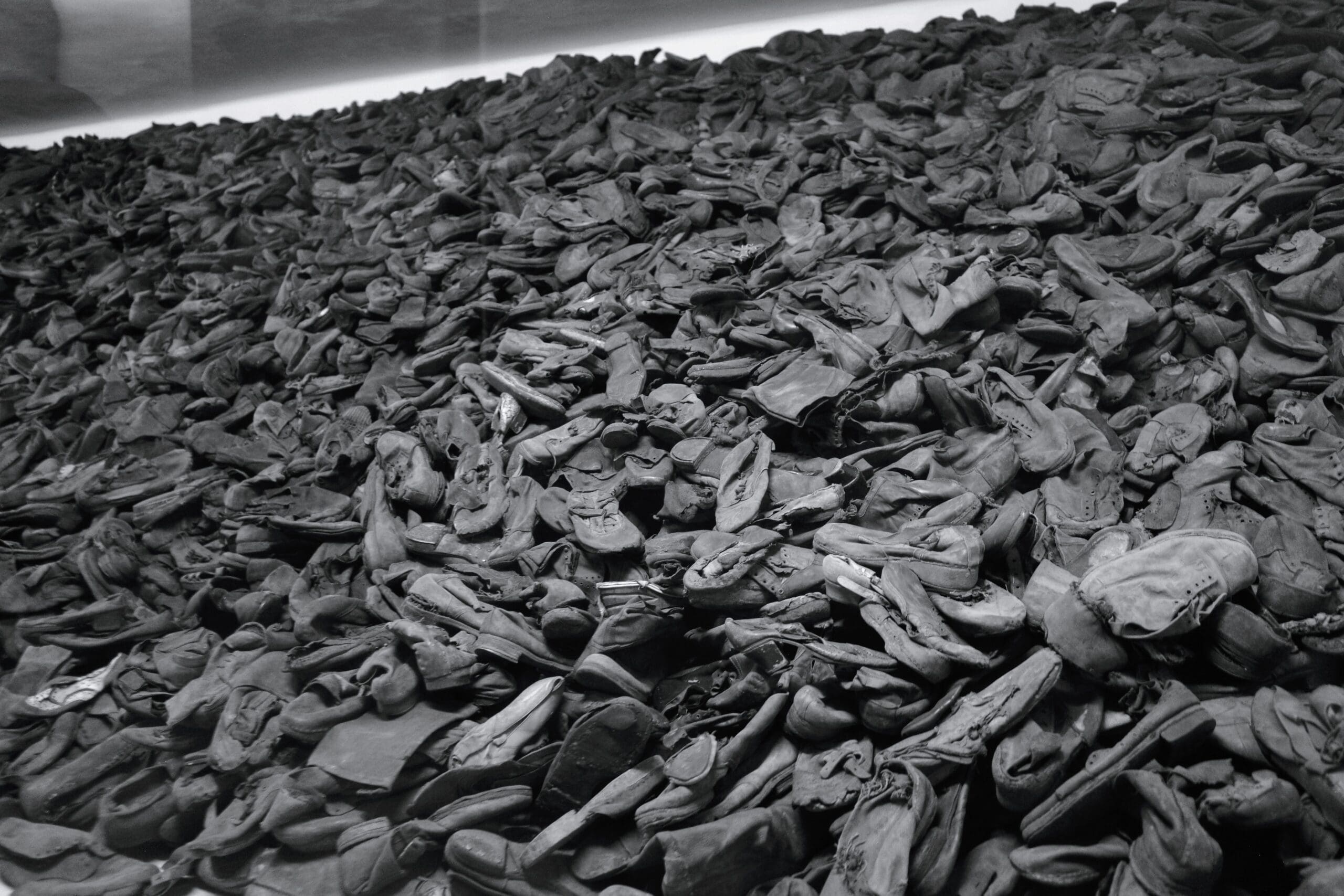

March 13, 2026 @ 16:43
too sad for words only tears.
March 15, 2026 @ 08:42
True.
March 13, 2026 @ 17:44
Reminiscent of our visit to Buchenwald ~ perhaps not at vast as Auschwitz, but just as sobering.
March 15, 2026 @ 08:42
Very much so.
March 13, 2026 @ 20:28
Particularly poignant given the last few days here at home. Thank you for sharing your story.
March 15, 2026 @ 08:43
Couldn’t stop thinking about current events during my visit.
March 14, 2026 @ 08:30
Your commentary is so clear. I was there in Auschwitz last May and as years go by and the camp ages. It is so important that it be preserved for everyone to say every person of every country should visit.. my fear is that we have become a country indifferent! As we watch, hate and racism become part of every day! I feel that I need to become a ZEALOT !!
March 15, 2026 @ 08:45
Right, indifference is everywhere. I think you already are a zealot!
March 14, 2026 @ 16:01
Still unfathomable . . . even as we find outselves teetering at the edge of this.
March 15, 2026 @ 08:46
Scary times, but I find hope in the resisters of the past.